Workation Without the Crash: A Better System for Working While You Travel
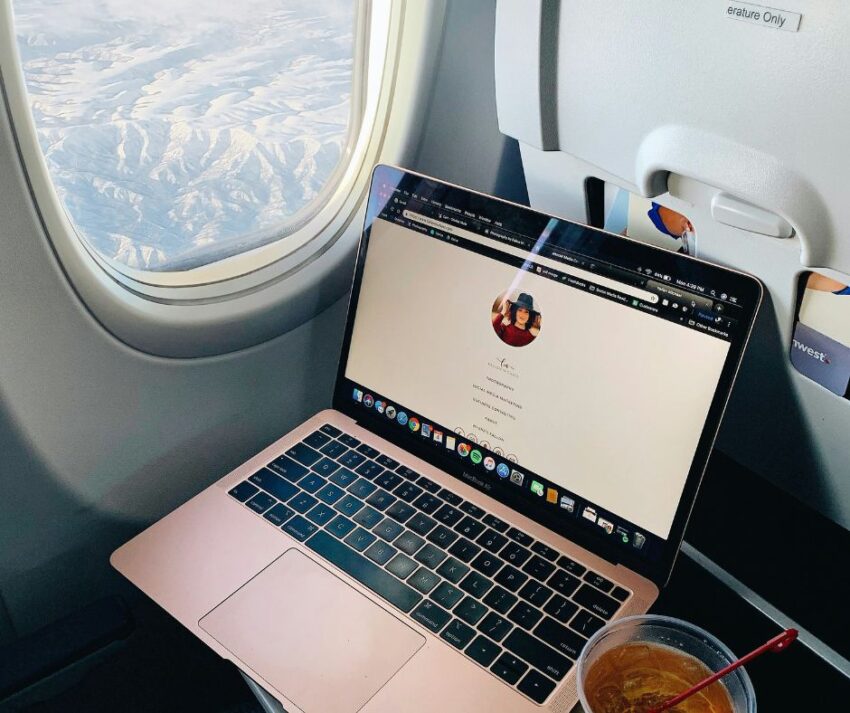
A successful workation is not a vacation with Slack open. It is a temporary work setup in another place, with enough structure to protect output, sleep and actual time off. Travel complicates an ordinary workday with transport, unfamiliar surroundings, changing time zones, sightseeing and dozens of small decisions.
Research into work-from-anywhere arrangements has found productivity benefits in specific settings, but geographic freedom should not be confused with permanent availability. The best remote work travel setup is usually the least dramatic one: predictable hours, fewer transfers and enough space in the schedule for something to go wrong.
Give work a fixed address in the day
The fastest route to an exhausting workation is deciding each morning when work will happen. A museum opens early, lunch runs long, a train is delayed, and suddenly the laptop comes out at 10 p.m.
Set one protected block for demanding work and another for administrative tasks. A writer might reserve 8:30 a.m. to 1 p.m. for drafts, then handle email and revisions later. These basic work tips remove repeated scheduling decisions and make the free part of the day genuinely free.


Choose accommodation by Tuesday morning, not Saturday night
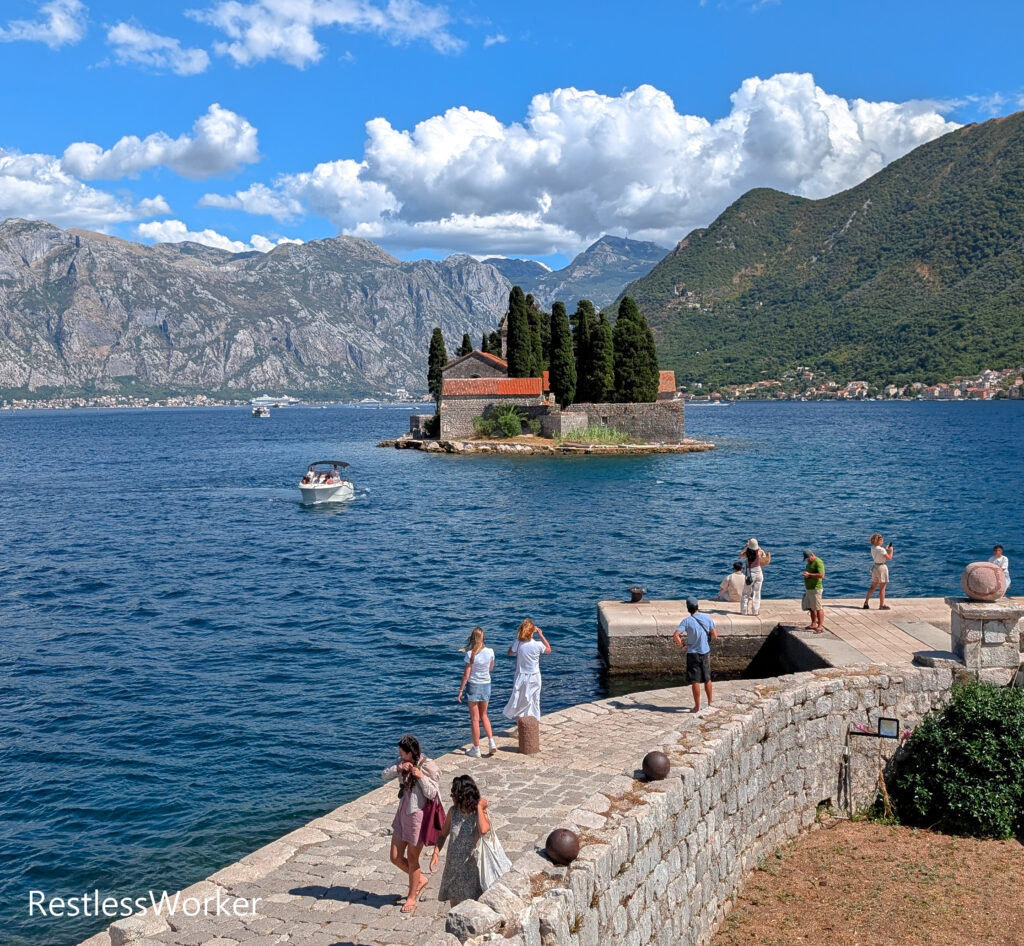
A sea view tells you almost nothing about whether a place works as an office. Look at the chair, table height, noise level, mobile reception and whether video calls can happen without sitting on a bed.
Three filters prevent many bad bookings:
- a usable desk rather than a decorative console;
- reliable internet plus a backup connection;
- food, coffee and basic services within walking distance.
For longer stays, laundry and a kitchen often matter more than another rooftop terrace.



Leisure brings its own second-screen problem
Travel downtime increasingly happens on a phone: football during dinner, scores on a train, highlights before bed. Sports followers may also check lineups, prices and live markets without opening a laptop. A Bangla betting site can fit these short sessions because pre-match and in-play markets are accessible quickly. However, a fixed leisure bankroll should remain separate from accommodation, transport and everyday travel money. Odds can move immediately after goals, cards or confirmed team news, so convenience does not remove the need to read the market before placing a bet.
The same attention problem becomes sharper when everything sits inside apps. Maps, tickets, work chat, banking and sport may all compete on one screen during the same ten-minute break. Keeping MelBet APK BD available on a phone can reduce the friction of checking a bet slip or live market. At the same time, the sensible limit remains the same: decide the stake first and avoid letting match notifications interrupt scheduled work. Fast access is useful; constant access is not automatically useful.



Stop changing cities just because you can
A seven-day itinerary with three destinations often looks more efficient than it feels. Each move creates a hidden transition period: packing, checkout, transport, arrival, groceries, Wi-Fi testing, and learning the new surroundings.
Staying longer creates routines. You stop searching for breakfast every morning, know where to walk after work, and spend less mental energy on logistics. For people doing concentration-heavy jobs, that stability can be worth more than adding another city to the trip.
Use a shutdown ritual outside your usual home
Remote work has weak physical boundaries. On a workation, the desk may be two meters from the bed, which makes stopping deliberately more important.
Finish by writing down tomorrow’s first task, closing work tabs, and muting professional notifications. Then leave the room or at least change the activity completely. The World Health Organization describes burnout as an occupational phenomenon associated with chronic workplace stress that has not been successfully managed; a different skyline does not cancel an overloaded calendar.



The 48-hour test catches fragile itineraries
Before booking, imagine two bad days together: poor sleep, rain, a deadline, and a delayed train. Could you still complete the required work without skipping meals or opening the laptop at midnight?
If the schedule survives that scenario, it probably contains enough slack. If everything depends on perfect transport, uninterrupted Wi-Fi, and full energy every morning, the itinerary needs another edit before the flights do.