The Best Ways to Experience Europe and Why You Should Consider Them for Your Next Vacation
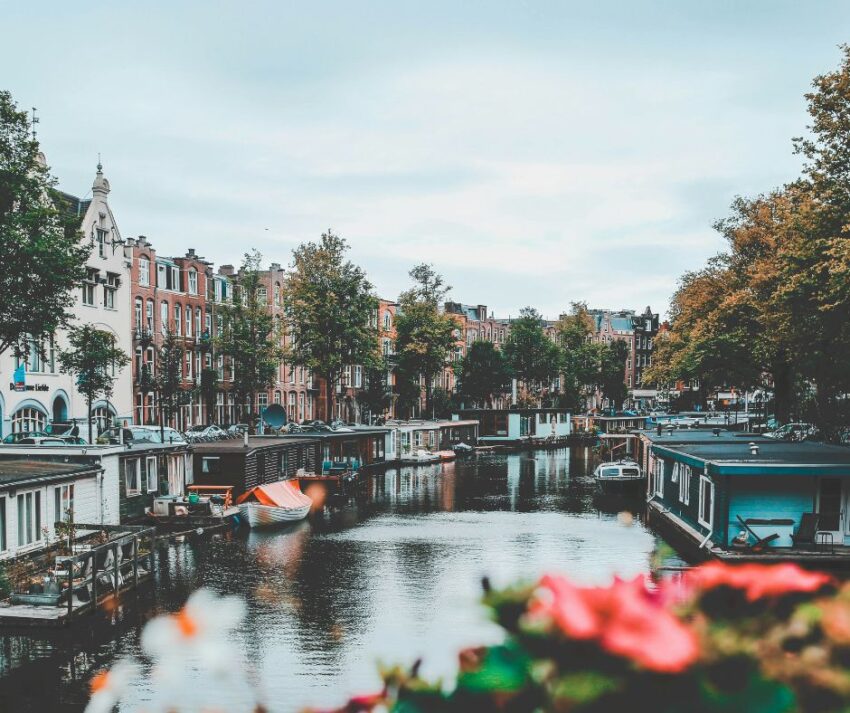
Europe remains an unmatched travel destination, but the way Americans are approaching it has shifted dramatically. Slow travel is gaining serious momentum, cost-conscious travelers are rethinking transatlantic timelines, and the old “pack it all in” mentality is fading fast. Rather than racing through capital cities to check landmarks off a frantic itinerary, today’s travelers are seeking high-value, purposeful vacations that actually leave them feeling rested when they get home.
And honestly? It’s about time.
If you’ve been dreaming about Europe but feeling overwhelmed by the options — or if you’ve done the whirlwind tour before and come home more exhausted than when you left — this guide is for you. Here’s how to make the most of your European vacation, whether you’re seeking deep cultural immersion, scenic hikes, or something in between.
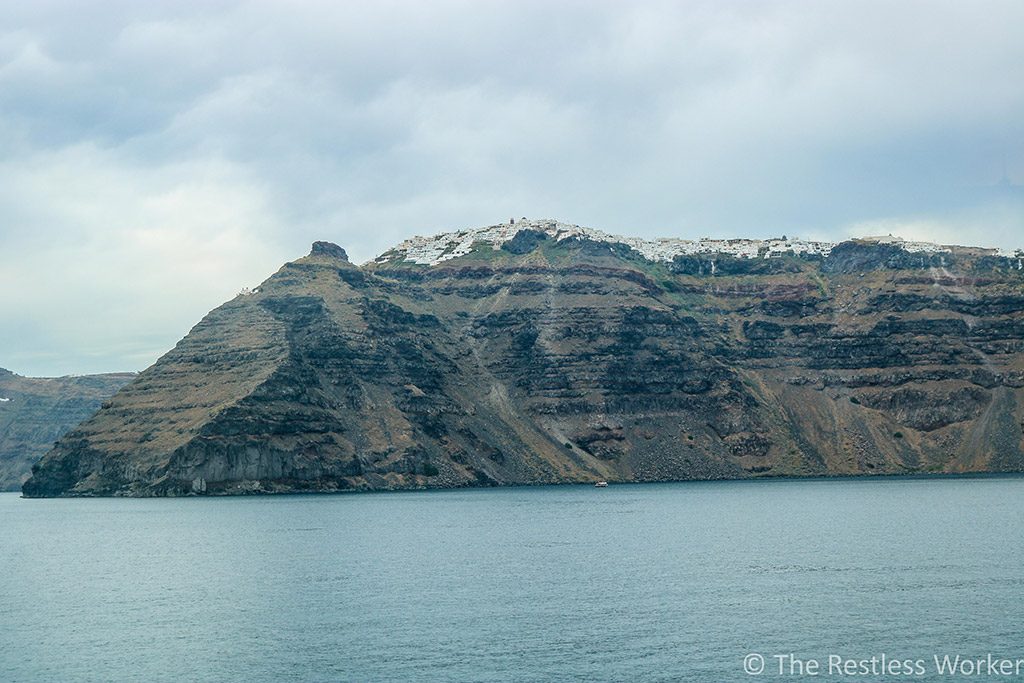

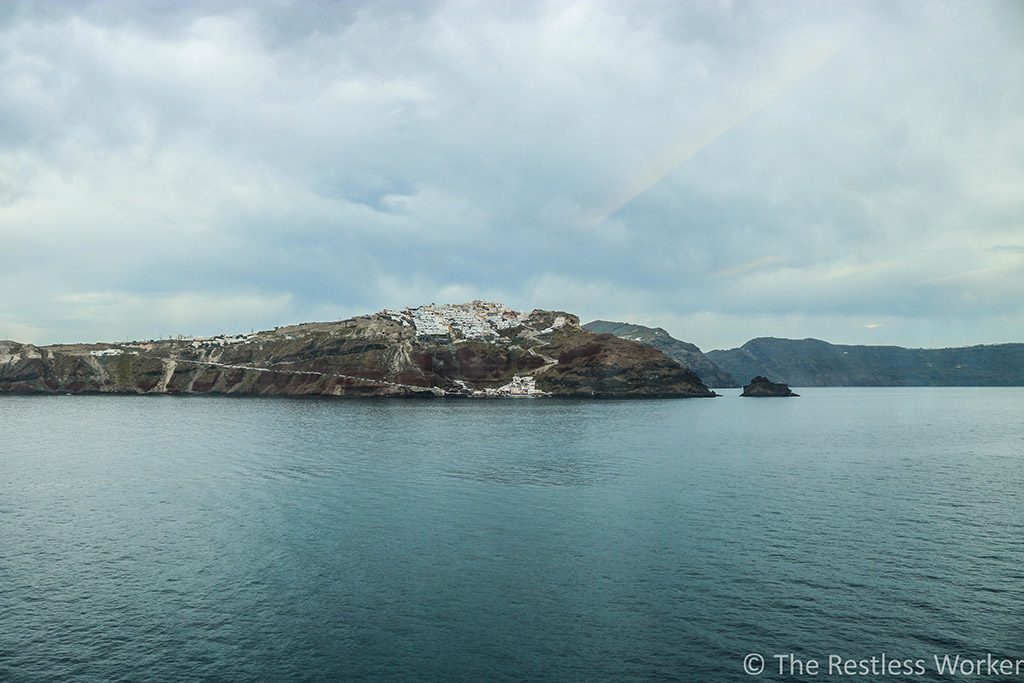
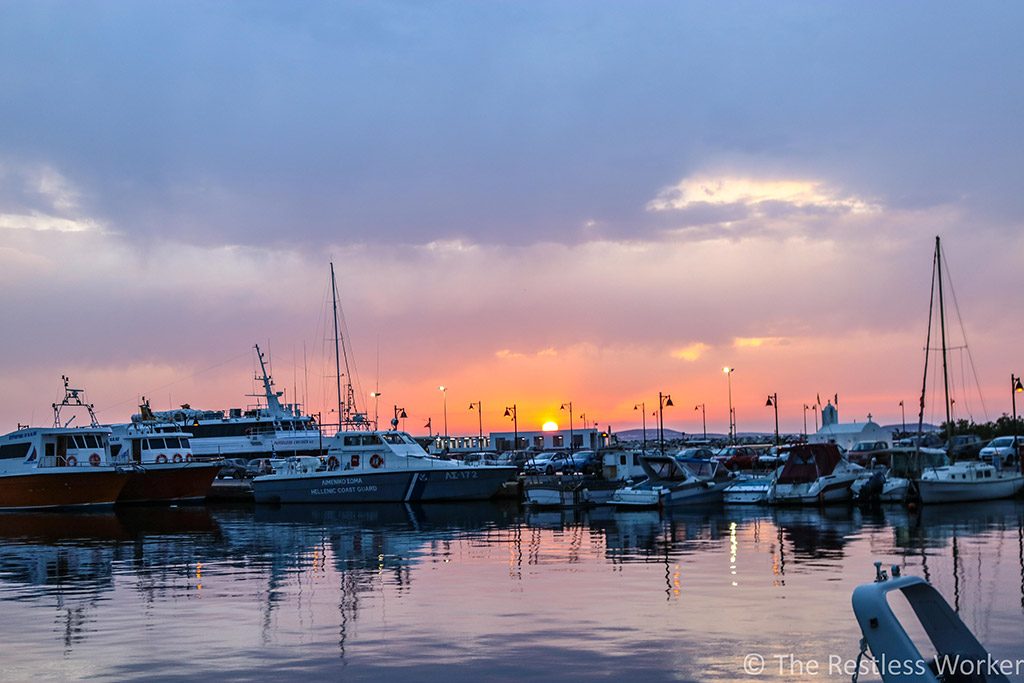
Embrace Slow Travel for Deeper Connections
The days of the ten countries in ten days whirlwind tour are officially behind us. Increasingly, Americans visiting Europe are prioritizing slow travel, a mindset that focuses on longer stays in fewer places. And when you think about it, the math makes total sense.
By narrowing your geographic scope, you immediately reduce the time and budget you’d otherwise blow on trains and short-haul flights. More importantly, you unlock a completely different kind of connection to local life — one that’s impossible to manufacture when you’re only in town for 36 hours.
Slow travel also favors sustainability. You’re not burning through transportation at every turn, and you’re naturally gravitating toward smaller accommodations and locally-owned restaurants rather than the tourist conveyor belt. The bonus? You sidestep the vacation burnout that comes from trying to do too much in too little time.
Think about what it actually feels like to spend two full weeks in one region instead of two days in seven cities. You start to learn which bakery opens earliest, which trail gets crowded by noon, where the locals actually eat. You become, at least temporarily, a real part of the place and that’s the kind of travel experience that sticks with you long after the jet lag wears off.
Discover Scenic Hiking Routes Through the Alps
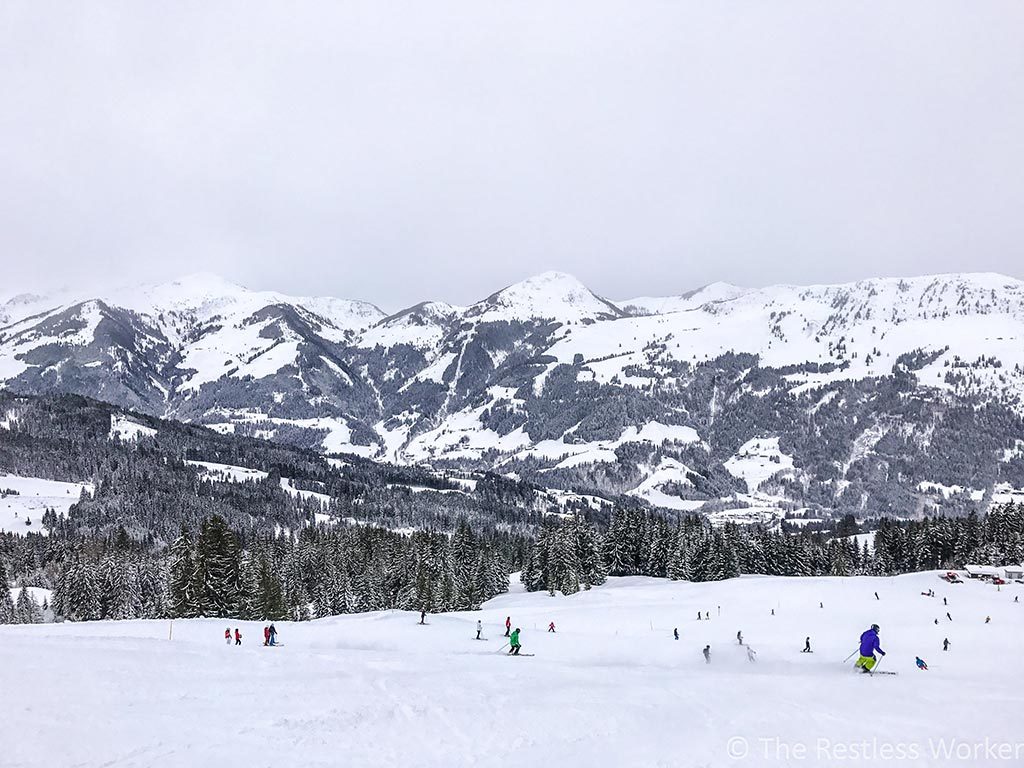
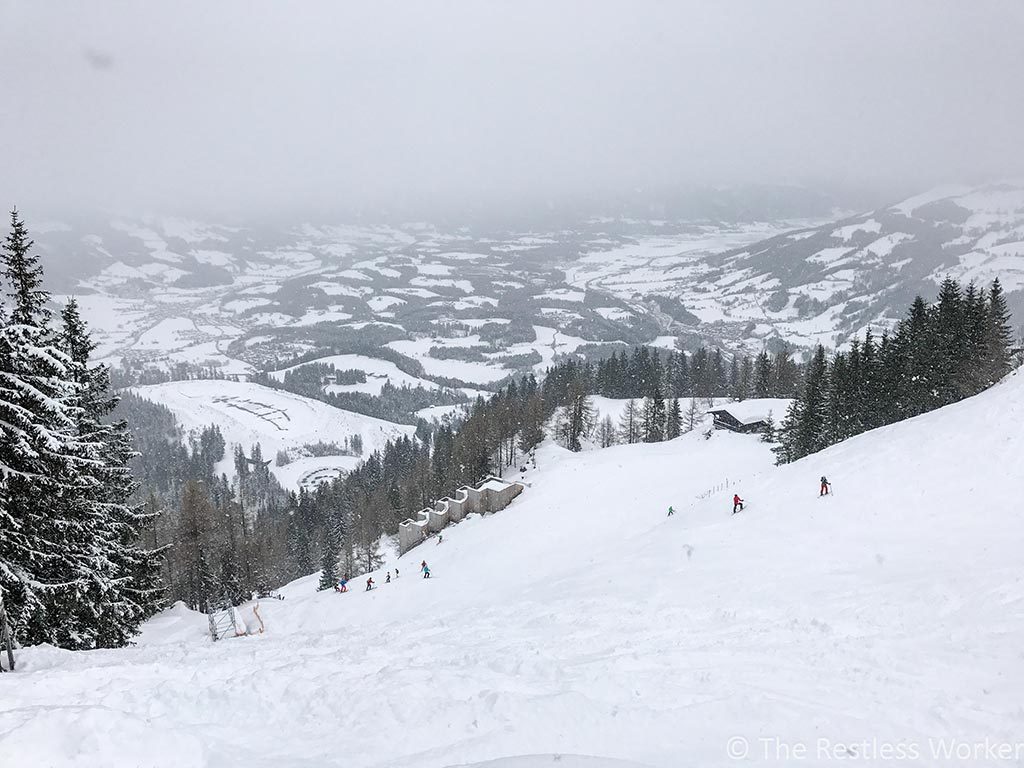
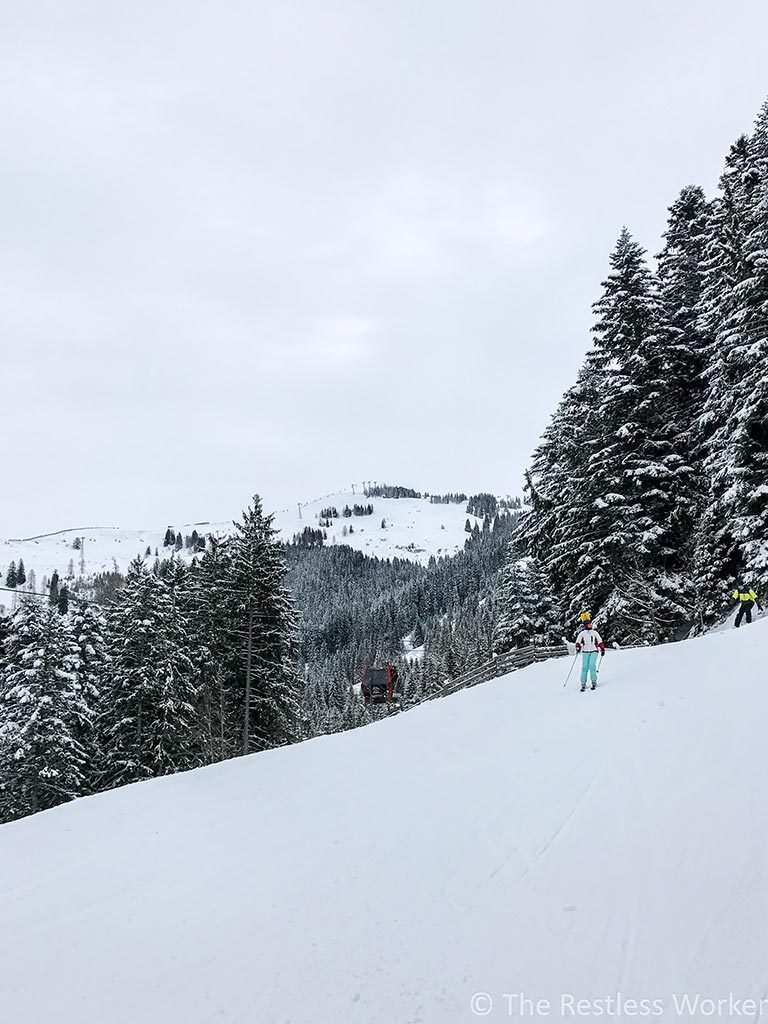
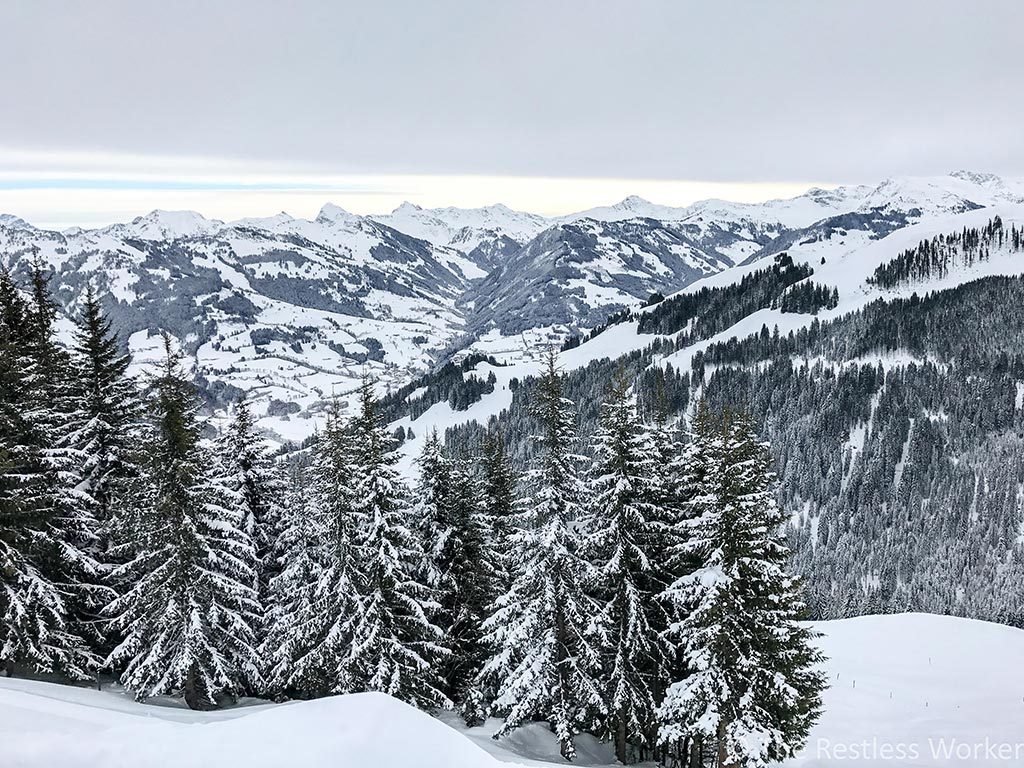
If your idea of a perfect vacation involves active exploration, it’s time to move your journey off the pavement and onto Europe’s legendary mountain paths. The continent’s epic trail networks offer a brilliant blend of dramatic scenery and real physical challenge — the kind that makes you feel like you actually earned the views.
A Mont Blanc hiking tour is the best way to experience the breathtaking views the mountain range has to offer. Circling the highest peak in Western Europe, these treks take you through a stunning alpine circuit that crosses the borders of France, Italy, and Switzerland. You wake up in one country, eat lunch in another, and fall asleep somewhere else entirely. The scenery is relentless jagged granite peaks, glacial valleys, wildflower meadows and every single day brings something new.
What makes this kind of trip especially appealing is the logistics. Opting for a guided or self-guided walking tour means your luggage is forwarded between charming mountain refuges each day, so you’re only ever carrying a daypack. You’re not grinding uphill with a 40-pound bag you’re actually enjoying the experience. And at the end of each day, you’re rewarded with exceptional regional cuisine and a real bed, which feels absolutely luxurious after hours of alpine trail.
It seamlessly combines a high-altitude wilderness adventure with a nightly reward that makes the whole thing feel indulgent rather than punishing. If you’ve ever wanted to do something that feels genuinely epic without signing up for a hardcore expedition, this is your answer.
The Alps aren’t the only option, either. Europe is threaded with world-class long-distance trails the Camino de Santiago across northern Spain, the Cinque Terre coastal path in Italy, the Laugavegur Trail in Iceland. Whatever your fitness level, there’s a route that fits.
Immerse Yourself in Authentic Local Living
Here’s an honest truth about European travel: the most Instagram-famous spots are often the least enjoyable to actually visit. Overtourism has made certain destinations feel more like theme parks than real places, and that experience is getting harder to justify when a transatlantic flight already costs what it does.
To truly maximize the value of your trip, look past the heavily commercialized tourist zones. U.S. travelers are increasingly heading off the beaten path to regions like the Balkans or rural Greece. Choosing smaller towns and family-run bed-and-breakfasts naturally lowers your daily expenses while giving you a level of authenticity that big-city hotels simply can’t match — not because they aren’t trying, but because it’s structurally impossible to manufacture that feeling at scale.
Spending a week in a quiet hillside village looks completely different from spending a week in a major capital. You’re not waiting in ticket lines or competing for a table at a restaurant that’s already fully booked online. You’re wandering through weekly markets, having actual conversations with people who live there, maybe picking up a few words of the local language. You’re supporting local communities directly rather than funneling your dollars into international hotel chains.
And the hospitality? There’s a warmth to it that feels completely separated from mass tourism. When you’re one of thirty guests in a family-run agriturismo rather than one of three hundred in a four-star hotel, people notice you. They remember how you take your coffee. They recommend the trail that isn’t on any map. That’s the stuff that makes a trip unforgettable.
Plan Cultural and Culinary Experiences That Resonate
Because traveling to Europe requires a real investment of time, money, and planning energy, Americans are increasingly focused on making every trip count. Passive sightseeing, where you show up, look at a famous thing, and leave, is giving way to something more hands-on and meaningful.
Food-centered travel is one of the clearest expressions of this shift. A truffle-hunting excursion in the forests of Umbria. A market-to-table cooking workshop in Provence where you spend the morning picking out produce and the afternoon learning to turn it into something incredible. A wine harvest experience in the Douro Valley. These aren’t just activities they’re stories you’ll be telling for years, and skills you’ll actually bring home with you.
The same logic applies to heritage and craft experiences. Glassblowing in Murano. Ceramics in the hilltowns of Portugal. Traditional textile weaving in the Scottish Highlands. When you engage with a place through its craft traditions, you come away with something that a souvenir shop could never replicate a genuine understanding of how a culture creates.
This kind of intentional travel also tends to create better souvenirs. Instead of a magnet or a mass-produced print, you bring home something you made, something with a story attached to it. Your vacation has a lasting impact that stretches far beyond a standard photo album.
Final Thoughts
Europe isn’t going anywhere, but the way we experience it is evolving — and honestly, for the better. Slower, deeper, more intentional travel isn’t just a trend. It’s a recognition that the point of a vacation isn’t to cover the most ground. It’s to actually be somewhere.
Whether you’re lacing up hiking boots for an alpine circuit, settling into a village rhythm for two weeks, or learning to make pasta from someone’s grandmother in a farmhouse kitchen, the common thread is the same: you came home changed. And that’s what makes the trip worth taking.