Why Ski Holidays Are the Perfect Blend of Fun and Fitness

It’s hard to find time for yourself nowadays. There are a great many demands on your time, from the benign to the ridiculous and beyond, If you’re a parent, you have endless parents’ evenings, casual meetings and extra-curricular sporting events to attend on top of your already-busy working schedule. If you aren’t, you’re taken up all the same by the ever-pressing grossness of the “weekly team-building social”. Whatever it is, it’s banal. Sorry, kids.
The truth of the matter is that you need a break. A good one. A break that combines the fun of the fair with the regular fitness your body needs to keep up with the relentless pace of modern living. What kind of holiday could ever provide equal measures of those aforementioned criteria, and with the precision desired by you, reading these very words? Well, don’t look at the title – it’s a spoiler!
Physical Health Benefits of Skiing
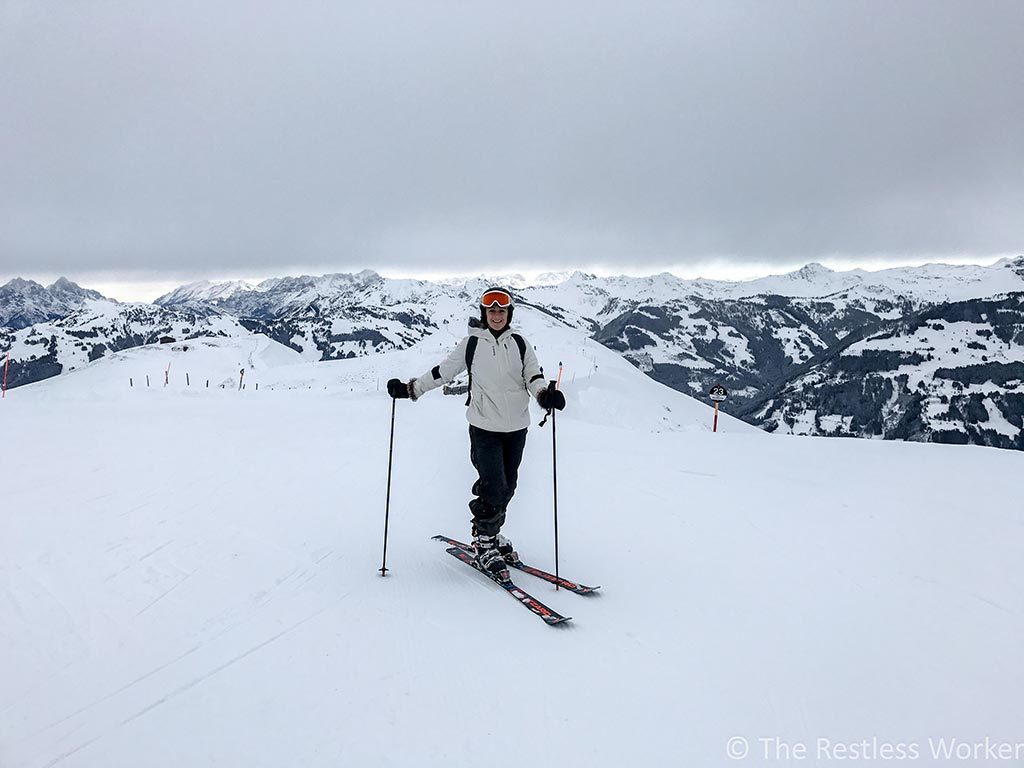
OK, major spoilers for the content of the piece we’re about to work through: it’s skiing. Skiing is a high-priority adventure sport when it comes to personal enjoyment and personal fitness in one – but why? Well, let’s explore – from the physical benefits of skiing to the mental wellness that comes from time in nature, and far, far beyond. Let’s start, though, with the physical.
It will not surprise you that there’s something positive to throwing yourself down a mountain on skis. For starters, if you live, you’re winning. Kidding – for now. If you stay upright, you’ll notice the extent to which your quads, hams, and, crucially, your core are engaged; if you stay upright for a while, and repeatedly, you’ll notice improvements in cardiovascular health, strength, and flexibility.
Here’s what that looks like in practice:
- Cardiovascular fitness: Skiing keeps your heart rate elevated, especially at altitude, improving endurance over time.
- Strength and stability: Your legs and core do most of the work, building strength while improving balance and coordination.
- Flexibility and mobility: Constant adjustments on uneven terrain encourage joint mobility and range of motion.
It’s also an efficient way to stay active. A few hours on the slopes can burn hundreds of calories, but more importantly, it feels engaging rather than forced.
Mental Wellness and the Power of Nature
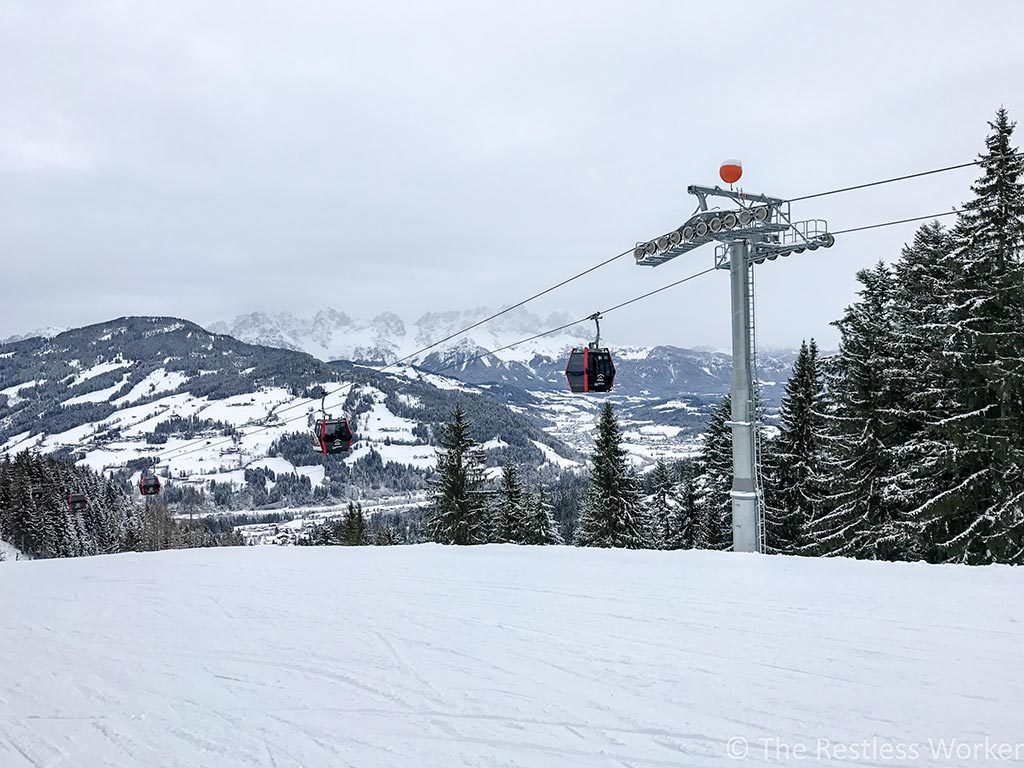
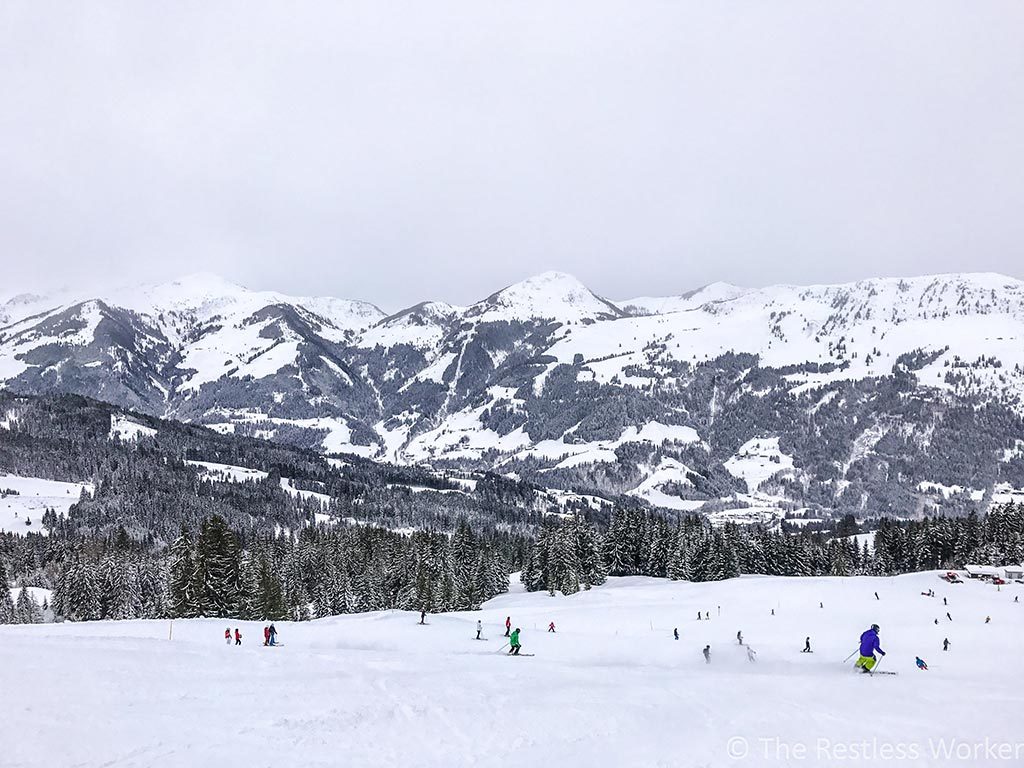
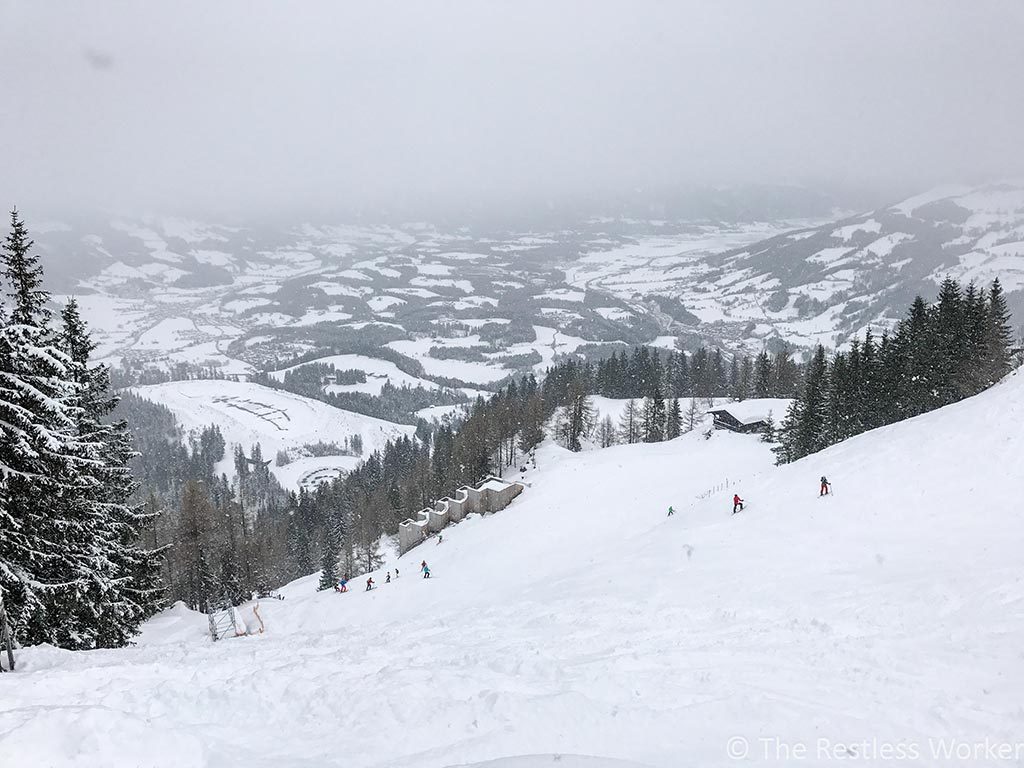
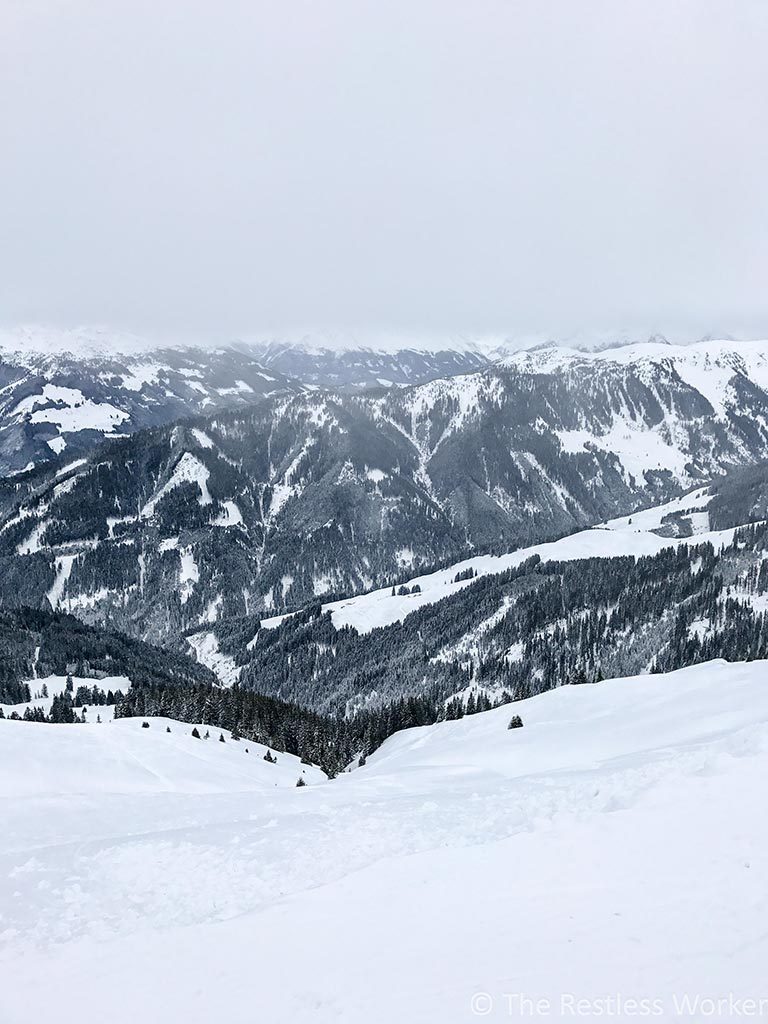
Physical health isn’t the only reprieve for the winter getaway-bound body, though. Ski holidays have a lot more to offer, particularly from a mental health perspective. You may not need selling on the restorative impacts of a decent mountain view, but it bears repeating; without even sliding down a relevant slope, there’s something utterly sublime about experiencing a mountain from its peak.
The stress reduction that results from such a mountain experience can result in an improved mood, increased clarity, and mental fortuity beyond your expected baseline. It’s simply a matter or disconnecting from normal daily routines, and finding something new at the resort, or on the slopes.
Being outdoors, away from noise and constant notifications, creates space for your mind to reset. Ski holidays naturally encourage that disconnection, replacing screen time with movement and presence.
The benefits are practical:
- Reduced stress levels
- Improved mood and mental clarity
- A stronger sense of focus and calm
Wellness travel trends continue to show a move toward experiences that prioritise mental health, and ski holidays fit neatly into that category. They offer stimulation without overload, and solitude without isolation.
Social, Culinary, and Cultural Experiences
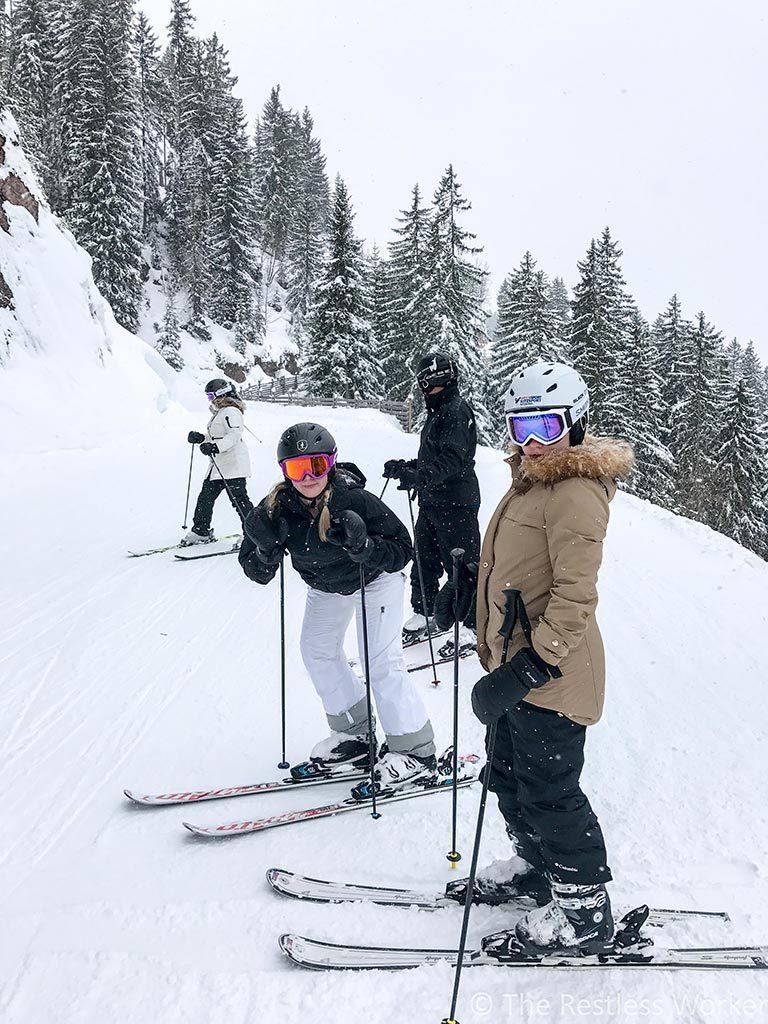
Well, here’s the twist. Ski holidays aren’t, in their entirety, bombing down mountains to the tune of Queens Of The Stone Age as piped into your bespoke skiing helmet. No. They’re a cumulative experience, combining the activity of bombing down mountains with the joy of telling everyone about it afterwards. The apres-ski is where the real fun begins, and where you find the social aspect your sport has likely been missing. Have fun!
There’s a built-in rhythm to the day—morning runs, shared breaks, and evenings that shift into relaxed, social settings. Whether it’s après-ski or a quiet dinner, the environment makes connection easy without forcing it.
Beyond that, there’s a broader lifestyle element:
- Food: Alpine destinations are known for simple, satisfying meals that reflect local traditions.
- Culture: Each resort carries its own identity, from architecture to customs.
- Experience: Trying something new—especially something physical—builds confidence quickly.
If you’re looking to simplify the planning side, platforms offering longtail ski holidays tailored to different travel styles and budgets—such as [Affiliate opportunity: Heidi ski holidays platform]—can streamline the process without limiting choice.
Making the Most of Your Ski Holidays for Health and Wellness
The key to getting real value from ski holidays is balance. It’s easy to overcommit physically, especially in the first few days, but pacing yourself leads to a better overall experience.
A few simple adjustments make a difference:
- Alternate intensity: Mix full ski days with lighter activity like walking or snowshoeing
- Prioritise recovery: Stretch, rest, and consider spa or wellness facilities
- Stay consistent with basics: Hydration, nutrition, and sleep matter more in cold, high-altitude environments
Many modern ski holidays now include wellness options as standard—everything from thermal spas to guided yoga sessions—making it easier to build a trip that supports both activity and recovery.
If you’re planning ahead, choosing ski holidays designed around wellbeing and flexibility can help you get more out of the experience without overloading your schedule.
FAQs About Ski Holidays and Wellness
Are ski holidays good for your health?
Yes. They combine consistent physical activity with time in nature, supporting both fitness and mental wellbeing.
How many calories can you burn skiing?
Typically between 300–600 calories per hour, depending on intensity and conditions.
Why is skiing good for mental health?
It encourages outdoor activity, reduces stress, and provides a break from daily routines—all of which support mental clarity.
Are ski holidays suitable for beginners?
Yes. Most resorts are designed with beginners in mind, offering lessons and accessible slopes.
How can I stay healthy on a ski trip?
Focus on pacing, hydration, nutrition, and recovery. Balance activity with rest to avoid burnout.
Conclusion: Travel That Actually Works for You
Ski holidays stand out because they don’t force a trade-off between enjoyment and wellbeing. You get both—without needing to overthink it.
You move more, think more clearly, and come back feeling like the time away actually made a difference. And that’s what most people are really looking for, whether they realise it or not.