How I Stay Connected When I’m Abroad
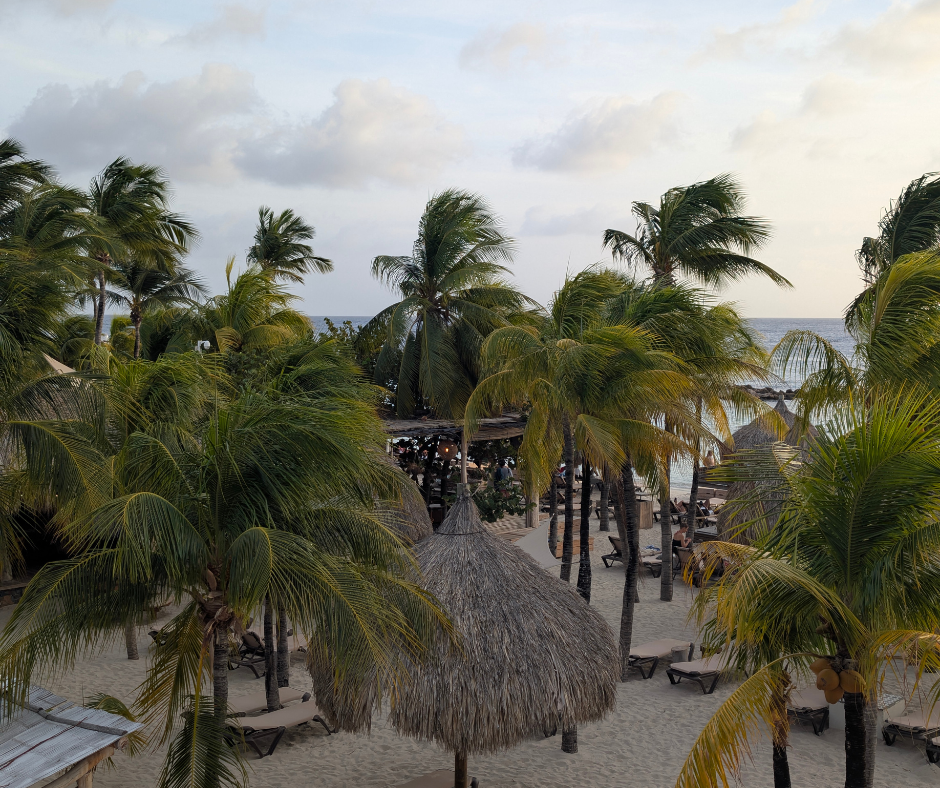
Traveling is one of my favorite things to do, but staying connected abroad used to be one of my biggest stress points. This year alone, I’ve traveled through England, Croatia, Portugal, Montenegro, and Curaçao—and every single time, I relied on an eSIM to stay online without hassle.
Why Staying Connected While Traveling Matters More Than Ever
Staying connected when I’m abroad isn’t just about posting photos or checking messages. It’s about navigation, safety, logistics, and flexibility.
I rely on mobile data to:
- Navigate unfamiliar cities
- Check transport schedules
- Confirm hotel bookings
- Look up last-minute tours or experiences
- Stay in touch with family
- Manage banking and work tasks remotely
In the past, I tried everything—airport SIM cards, roaming plans, unreliable Wi-Fi—but none of it felt seamless. That changed when I started using eSIMs for international travel.



What an eSIM Is (And Why I Switched)
An eSIM is a digital SIM card that lets you activate a mobile data plan without inserting a physical SIM. Instead of hunting down a shop after landing, I can set everything up before I even leave home.
For me, the biggest benefits of using an eSIM abroad are:
- No swapping SIM cards
- No losing my primary number
- Instant activation
- Transparent pricing
- Reliable coverage across multiple countries
I now use an international eSIM provider whenever I travel, including services like Simovo, which offers eSIM data plans designed specifically for travelers. You can explore their options here: https://simovo.com/
How I Used an eSIM in Each Country I Visited This Year
England: Easy Connectivity from the Moment I Landed
England was my first trip this year, and it was where I fully committed to using an eSIM. I landed in London, turned off airplane mode, and my data was already active.
That meant I could:
- Navigate the Underground immediately
- Look up cafés and walking routes
- Use Google Maps without worrying about Wi-Fi
I also booked attractions and day trips on the go using GetYourGuide, which is much easier when you have consistent data.


Croatia: Island Hopping Without Losing Signal
Croatia involved moving around a lot—coastal cities, ferries, and islands. This is where eSIMs really proved their value.
Instead of worrying about coverage every time I changed locations, my data just worked. I could:
- Check ferry times
- Navigate old towns
Not having to hunt for local SIM cards saved me both time and stress.
Portugal: Remote Work and Reliable Data
Portugal was a mix of travel and work. I needed stable internet not just for maps, but for emails, uploads, and video calls.
Using an eSIM meant:
- No reliance on café Wi-Fi
- A backup connection if hotel internet failed
- Peace of mind during work hours
It’s also when I really appreciated being able to monitor data usage directly from my phone.
Montenegro: Smaller Country, Same Connectivity Needs
Montenegro was smaller and less touristy in places, which made connectivity even more important. I wasn’t always near strong Wi-Fi, especially when exploring coastal roads or quieter towns.
Having an eSIM ensured I could:
- Navigate confidently
- Look up local spots
- Stay connected without interruption
This is where eSIMs outperform physical SIMs—you don’t have to worry about local availability or language barriers.
Curaçao: Seamless Data Outside Europe
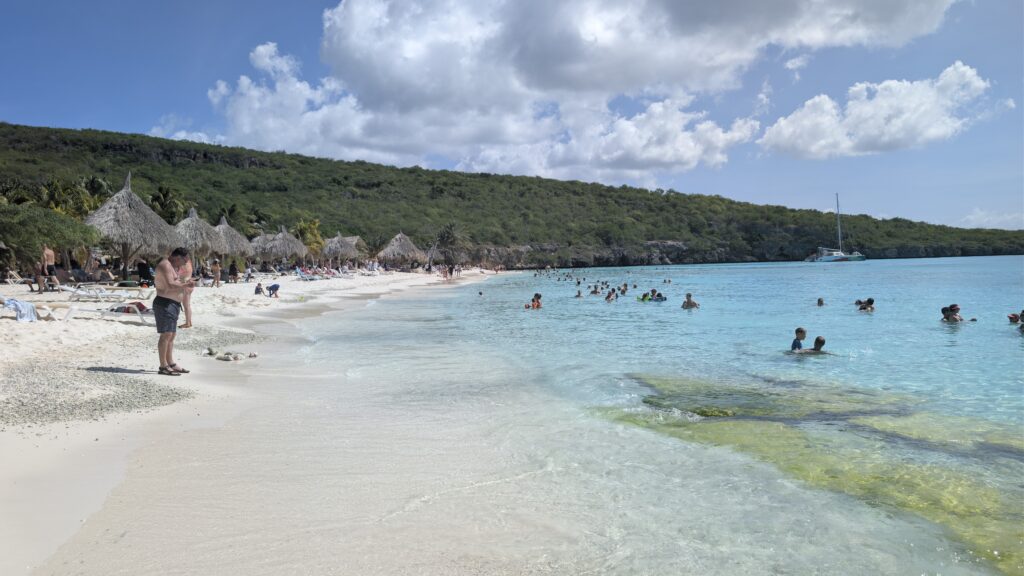
Curaçao was my final trip of the year and the one that confirmed I’ll never travel without an eSIM again.
International roaming outside Europe can get expensive fast. Instead, my eSIM gave me:
- Predictable costs
- Reliable data across the island
- Easy access to bookings, directions, and recommendations
I booked activities and experiences on short notice using GetYourGuide, something I wouldn’t feel comfortable doing without solid connectivity.
eSIM vs Physical SIM: My Honest Take
After using eSIMs across multiple countries, I can confidently say they’ve replaced physical SIM cards for me.
Why I prefer eSIMs:
- No physical handling
- Faster setup
- Better for multi-country trips
- Ideal for frequent travelers
- Easy to switch plans if needed
Physical SIMs might still work for long stays in one country, but for multi-destination travel, eSIMs are simply more practical.
Things to Consider Before Using an eSIM
While I’m a big fan, there are a few things to keep in mind:
- Your phone must support eSIM technology
- Most eSIMs are data-only (no local calls)
- You should install the eSIM before departure
- Always check country coverage beforehand
Once you understand these basics, the experience is incredibly smooth.


Tools and Resources I Use While Traveling
Staying connected is only part of the equation. These tools work best because I have reliable mobile data:
- Tours and activities: GetYourGuide
- Navigation: Google Maps
- Transport: Local transit apps
- Travel planning: Notes, Maps, and Calendar apps
Having data at all times makes travel more spontaneous—and more relaxed.
FAQs: Staying Connected Abroad with an eSIM
How do I stay connected when traveling abroad?
I use an eSIM to access mobile data instantly without relying on Wi-Fi or physical SIM cards.
Is an eSIM better than a physical SIM?
For multi-country travel, yes. It’s easier to manage, quicker to activate, and more flexible.
Can I use one eSIM in multiple countries?
Many providers offer regional or global plans, which is ideal if you’re visiting several destinations.
Do eSIMs work outside Europe?
Yes. I used one successfully in Curaçao and had consistent coverage throughout the trip.
When should I install an eSIM?
I always install it before leaving home so it activates as soon as I land.

Final Thoughts: Why I Won’t Travel Without an eSIM Again
After traveling through five countries this year, using an eSIM has completely changed how I experience being abroad. It removes friction, reduces stress, and gives me the freedom to travel confidently.
Whether I’m navigating a new city, booking last-minute experiences, or checking into a hotel, staying connected makes everything smoother. For me, an eSIM isn’t just convenient—it’s essential.